Business Relief Seminar
This week I had the pleasure of co-hosting an event at the Shard in London with Sarah Skelton and Raphaella Phelps at…



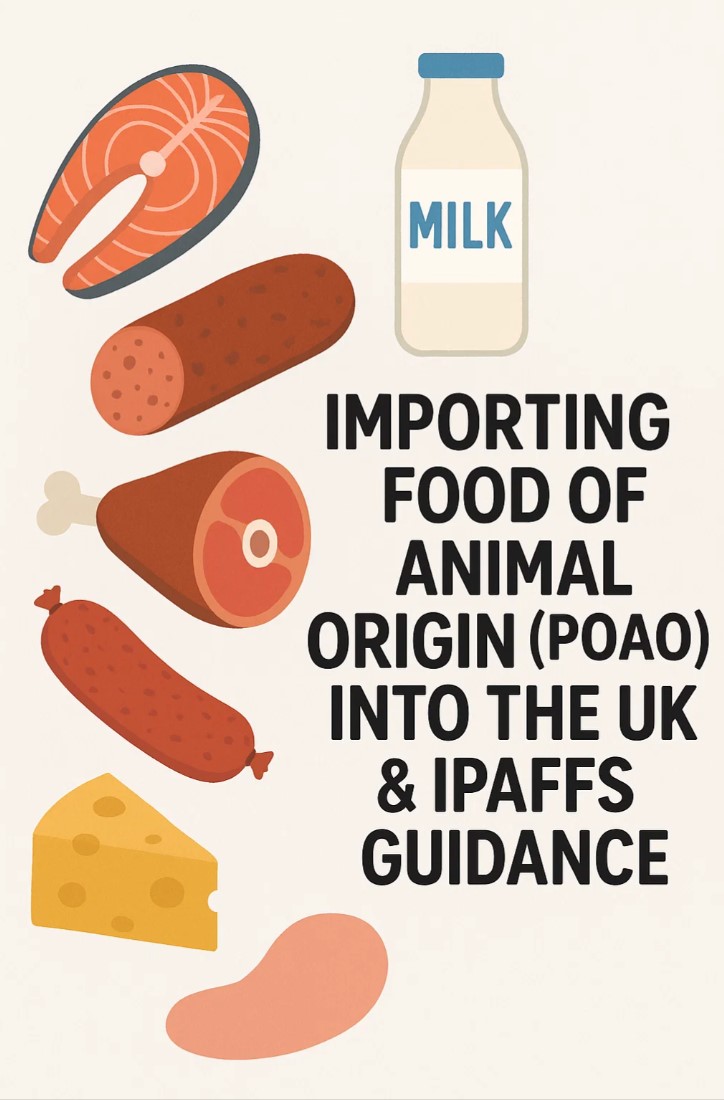
The UK’s post-Brexit trade landscape has introduced stricter Sanitary and Phytosanitary (SPS) controls for importing Products of Animal Origin (POAO), including meat, dairy, fish, eggs, and honey. These changes, governed by the Border Target Operating Model (BTOM), aim to protect public and animal health but pose logistical and compliance hurdles for importers.
Below, we explore the key challenges and how the Import of Products, Animals, Food and Feed System (IPAFFS) helps streamline the process.
1. Regulatory Complexity & Documentation RequirementsChallenges:Approved Countries & Establishments: POAO must originate from approved non-EU countries and registered establishments 17.
Risk-Based Categorization: Goods are classified as low, medium, or high risk, requiring different documentation:
Medium/High Risk: Export Health Certificate (EHC) or importer declaration 1.
Low Risk: Commercial document (e.g., supplier invoice) 7.
Composite & Compound Products: Foods like lasagne (meat + plant ingredients) or sausages with cheese require additional checks 7.
Centralizes pre-notification for POAO imports.
Generates a Common Health Entry Document (CHED-P) for veterinary checks 68.
Mandatory BCP Checks: All POAO must enter via designated BCPs (e.g., Felixstowe, Dover) 9.
Physical & Identity Checks: Medium/high-risk consignments face documentary, identity, or physical inspections, leading to delays 111.
Common User Charges: Fees apply for inspections (e.g., £20–£50 per consignment) 3.
Submit pre-arrival notifications at least 1 working day before shipment arrival 7.
Real-time tracking of inspection status via the IPAFFS portal 8.
Original vs. Digital Certificates: Some countries require original signed health certificates, while others accept verifiable PDFs 7.
Validity Periods:
Health certificates expire in 4 months 1.
Lab analyses for high-risk food (e.g., nuts, spices) last 6 months 1.
Auto-validates certificates before submission.
Alerts importers to expiring documents 8.
Perishable Goods: Delays at BCPs can spoil chilled/frozen meat, dairy, or seafood 3.
Rejected Consignments: Non-compliant shipments may be destroyed at the importer’s cost 9.
Risk-based inspections prioritize high-risk goods, reducing delays 8.
Emergency notifications for time-sensitive shipments 7.
EU-GB Trade Changes: EU-sourced POAO now require IPAFFS notifications (previously handled via TRACES) 11.
Northern Ireland (NI) Differences: NI follows EU SPS rules, complicating GB-NI trade 11.
Single platform for EU and non-EU imports 8.
Dedicated CHED types for different commodities (e.g., CHED-D for high-risk plant products) 7.
Register Early: Create a Government Gateway account and enroll in IPAFFS 8.
Pre-Notify Correctly: Submit CHED-P forms 24+ hours before arrival 7.
Verify Certificates: Ensure health documents match GB model templates 1.
Monitor Shipments: Use IPAFFS to track inspection outcomes 8.
Partner with Experts: Consider customs brokers for complex consignments 6.
✅ Use IPAFFS for all POAO pre-notifications.
✅ Ensure suppliers are approved and documentation is valid.
✅ Factor in BCP delays and inspection costs.
✅ Monitor regulatory updates under BTOM.
For further guidance, visit:
By proactively managing these challenges, importers can minimize disruptions and maintain compliant, efficient POAO supply chains.
We specialise in Customs Clearance and Logistics Solutions for businesses involved in international trade. Our services cover Import & Export Declarations, Freight Forwarding, and Supply Chain…